
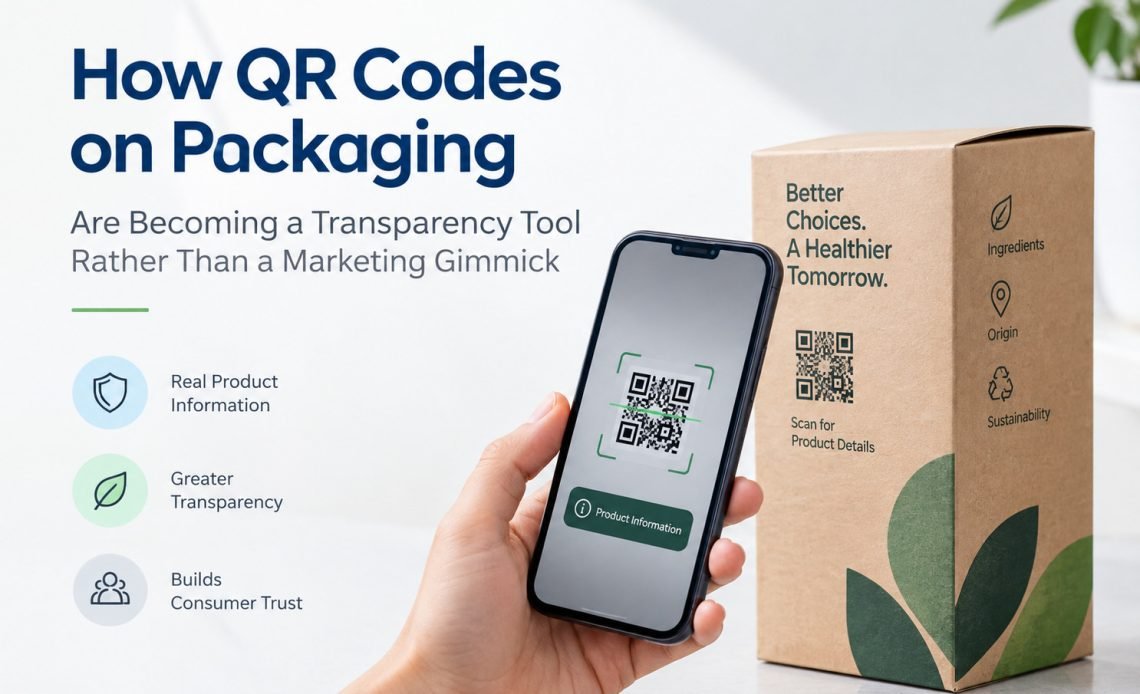
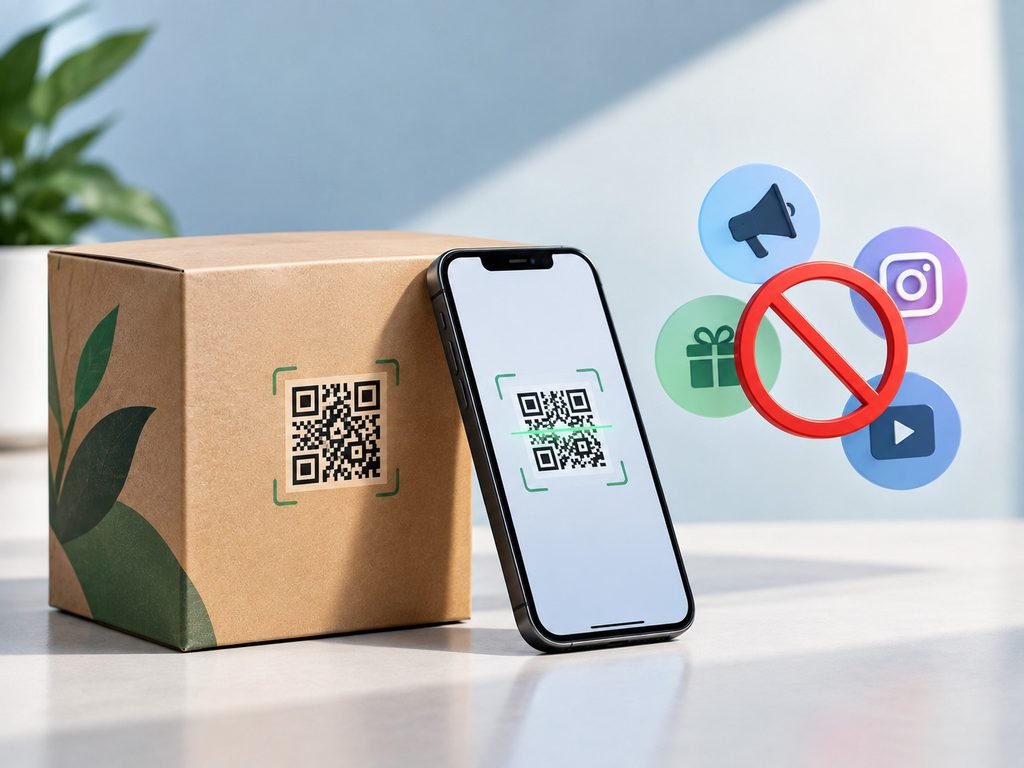
For most of the decade since QR codes became reliably scannable on smartphones, the packaging industry used them primarily as a bridge to brand content. Scan this to watch our brand film. Scan this to enter a competition. Scan this to follow us on Instagram. The QR code was a marketing mechanism that the label real estate couldn’t accommodate, and brands treated it as an extension of the advertising conversation rather than as a product information tool. Consumers who scanned expecting information and received a promotional landing page learned quickly that the QR code wasn’t for them. It was for the brand.
That relationship between QR codes and consumer trust is changing, and the data tracking the change is specific enough to be commercially significant. QR code usage on product packaging grew 44 percent year-over-year in 2025. Mentions of QR codes and consumer trust increased 116 percent over a six-month period in 2025, driven by the global push toward digital product transparency. Sixty percent of shoppers now scan QR codes for product information before making a purchase. These numbers describe a consumer behaviour that has crossed the threshold from early adoption into mainstream expectation, driven not by marketing campaigns but by a combination of regulatory pressure, consumer ingredient literacy, and the accumulated disappointment of a decade of promotional QR code experiences that trained consumers to expect nothing useful from a packaging scan.
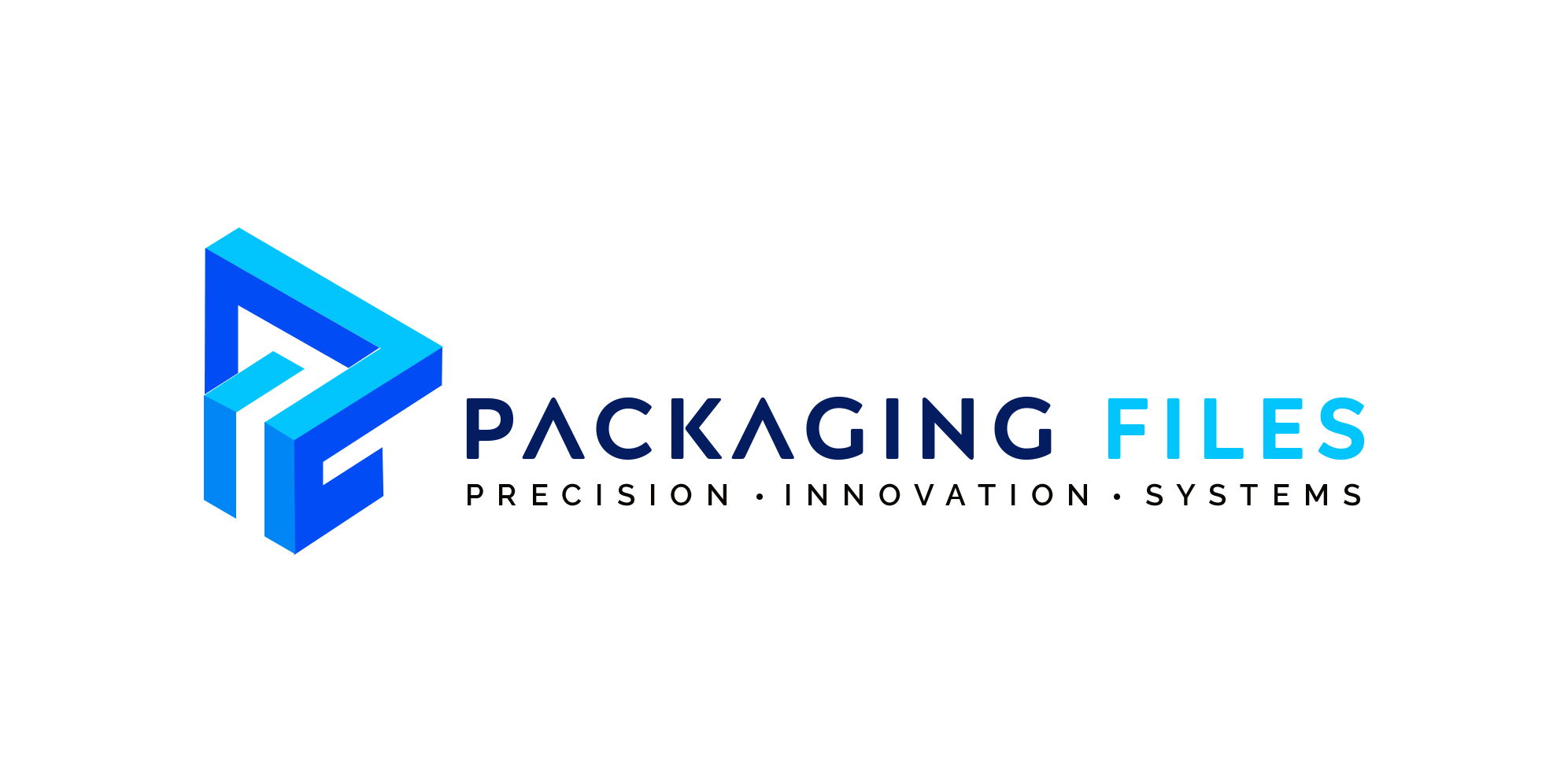
The shift from marketing tool to transparency tool isn’t simply a change in what brands choose to put behind QR codes. It’s a change in what consumers expect to find there, what regulators are beginning to require, and what the commercial consequences of fulfilling or failing those expectations are. Understanding this shift matters for any brand whose packaging currently uses QR codes for promotional purposes and is about to discover that the audience scanning them has moved on to expecting something else.
Why Did QR Codes Fail as Marketing Tools in the First Place?
The promotional QR code failure wasn’t primarily a technology problem. It was a value exchange problem. A consumer scanning a QR code on packaging is investing a small but real action in exchange for expected value. The action is picking up their phone, opening the camera, holding it steady over the code, and waiting for the destination to load. In 2015 this was a more significant investment than it is today when smartphone cameras scan codes instantly and without a separate app. Even at today’s frictionless scanning speed, the action still requires intent, and intent requires an expected reward proportionate to it.
Promotional content doesn’t deliver a reward proportionate to the scanning intent of a consumer who wants to know what they’re buying. A brand film is not information about the product’s ingredients. A competition entry is not an explanation of the product’s recyclability. A social media redirect is not a source-of-origin story that a sustainability-conscious shopper can use to verify a packaging claim. The gap between what consumers wanted from QR codes and what brands put behind them created the distrust that made QR code scan rates persistently disappointing across the promotional era.
As QR codes become more common, user awareness is also increasing. Scanning a code is no longer seen as a neutral action. Users want reassurance that the destination is safe and legitimate. Trust forms a cornerstone of consumer decision-making. Therefore, it’s imperative for brands to clearly communicate production details, including origin and methods. The consumer who approaches a QR code in 2026 is approaching it with more scepticism than the early adopter who scanned optimistically in 2018, and that scepticism is a direct product of the promotional era’s failure to deliver value proportionate to the scan investment.
What Are Consumers Actually Looking for When They Scan Packaging QR Codes?
The research on what consumers want from packaging QR codes is consistent enough across multiple studies to replace assumption with evidence in brand decisions about what to put behind them.
Seventy-seven percent of consumers say in-depth product information helps them make better shopping decisions, and QR codes are the most effective delivery mechanism for this information. The specific information categories that scanning consumers are seeking reflect the development of consumer literacy in the areas where packaging claims have historically been most vague and most sceptically received.
Ingredient and formulation information is the most consistently sought category, reflecting the development of ingredient literacy that has made consumers capable of evaluating ingredient information rather than simply noting its presence. A consumer who can read and interpret an INCI declaration is using the QR code as a route to information they can actually analyse rather than as a route to content they passively consume. Brands whose QR code destinations provide genuinely interpretable ingredient information, including ingredient function explanations, sourcing details, and concentration context, are providing the value that scanning intent requires and that promotional content doesn’t deliver.
Sustainability and recyclability information is the second most consistently sought category, driven by the combination of consumer environmental concern and the proliferation of sustainability packaging claims whose vagueness has trained consumers to seek verification rather than accept claim language at face value. A consumer who has encountered recyclable and eco-friendly on packaging without supporting information has learned that these phrases are frequently aspirational rather than verified, and QR codes that link to specific recyclability verification, material composition data, and end-of-life guidance are providing the verification that the claim without the QR code doesn’t establish.
Provenance and source information is the third category, particularly relevant for food, beverage, and natural product packaging where origin and production method claims including free range, organic, and sustainably sourced have developed consumer trust deficits through inconsistent substantiation. Several supermarket chains have introduced QR codes that pull allergen, ingredient, and sustainability information directly from the cloud, ensuring that shoppers have access to the most accurate, real-time data at the point of purchase. This real-time data access capability is the specific advantage that QR codes provide over printed packaging whose information is fixed at production and can’t be updated to reflect supply chain changes, reformulations, or updated certifications.
What Regulatory Pressure Is Doing to QR Code Transparency Requirements
The shift from voluntary transparency to regulatory transparency requirement is the development that is transforming QR codes from a brand choice into a compliance infrastructure element in an increasing number of product categories and markets.
The EU’s Packaging and Packaging Waste Regulation entered into force in February 2025, with packaging compliance requirements including digital packaging passports beginning in August 2026. While food and beverage products themselves are exempt from the EU Digital Product Passport mandate, packaging must include machine-readable data on material composition, recyclability, and disposal pathways. QR codes are the natural delivery mechanism for these requirements. In Europe, digital product passports, often accessed via QR codes, convey product provenance, recyclability and sustainability information.
The regulatory momentum is global rather than regional. Packaging innovation in 2026 is being shaped by increasing use of connected packaging and QR codes to communicate provenance, sustainability and recyclability, stronger alignment between cost, compliance and environmental impact, and more conservative, accurate sustainability marketing driven by legal risk. California’s SB 343 prohibits recyclability claims for products whose materials aren’t recyclable in 60 percent of the state’s recycling infrastructure, and QR codes linking to verifiable recyclability data are the mechanism through which brands can substantiate claims that printed packaging language alone can’t support.
The commercial implication of this regulatory trajectory is that brands whose QR codes currently link to promotional content are operating on borrowed time in markets where regulatory requirements will mandate that the same physical space on the packaging carries verified transparency data. Planning the transition now, rather than retrofitting promotional QR code infrastructure to meet transparency requirements under deadline pressure, is the difference between a strategic upgrade and an emergency compliance project.
What Is the GS1 2D Barcode Transition and Why Does It Matter?
The transition from traditional linear barcodes to GS1-powered QR codes represents the most significant structural change in packaging information architecture in several decades, and understanding what it involves clarifies why QR code transparency isn’t a trend layered onto existing packaging infrastructure but a fundamental change to what packaging information systems can do.
Eighty-two percent of retailers and 92 percent of brand owners supported transitioning from the linear barcode to a 2D code within the next five years. The true power of GS1-powered QR codes lies in their flexibility, enabling connections to all types of business-to-business and business-to-consumer information via a single, smarter symbol on pack. They allow brands to retain full control, tailor online sources to specific products and users, and update or publish new content without having to alter their physical packaging.
The ability to update the destination without changing the physical packaging is the capability that transforms QR codes from static information delivery into dynamic transparency infrastructure. A brand whose QR code links to a static webpage is providing the same information to the consumer who scans the code eighteen months after the product’s launch as to the consumer who scans it at launch. A brand whose QR code links to a dynamically updated destination can update sustainability reporting, ingredient information, certifications, and recyclability guidance in response to supply chain changes, reformulations, and updated regulatory requirements without reprinting packaging. The packaging cost of a QR code update is zero. The transparency benefit of keeping information current rather than fixed at print date is significant for categories where supply chain and formulation information changes at rates that packaging reprints can’t track.
What Does a Transparency QR Code Destination Actually Need to Contain?
The gap between a QR code that functions as a transparency tool and one that functions as a promotional tool lies in what the destination provides when a sceptical, information-seeking consumer arrives at it after a deliberate scan.
Transparency destinations that deliver value to the consumer who scanned seeking information provide content whose specificity matches the specificity of the information need that motivated the scan. A consumer who scanned to verify a sustainability claim needs specific data about material composition, recycling infrastructure availability, and supply chain environmental credentials whose specificity either confirms or challenges the packaging claim. A destination that responds to this scan with a general sustainability philosophy statement and a link to the brand’s Instagram account has confirmed the consumer’s scepticism rather than addressing it.
Brands using dynamic QR codes on packaging see three times higher repeat engagement than brands using static codes. The repeat engagement difference reflects the value exchange distinction between a destination that provides new or updated information on each visit and a destination whose content was set at launch and hasn’t changed since. Consumers who find genuine value in a transparency QR code destination return to it, share it, and associate the brand’s willingness to provide specific information with a trustworthiness whose commercial value extends beyond the individual scan.
Regulatory alignment is becoming a practical requirement for transparency destinations rather than an optional quality criterion. For an industry constantly fighting for space on-pack, QR codes have always looked like an easy win. But as digital labelling grows, regulators are likely to scrutinise how QR codes are used to ensure transparency and prevent misleading claims. Transparency destinations that cherry-pick positive information while omitting information that would reduce the product’s appeal face the same regulatory risk that misleading packaging claims face, because a QR code destination is an extension of the packaging’s information provision rather than a separate communication channel operating outside packaging regulation’s scope.
What Does the Consumer Privacy Dimension Add to the QR Code Transparency Conversation?
The data collection capability of QR codes, which provides brands with scan location, device type, scan time, and in some implementations linked consumer identity data, creates a privacy dimension that the transparency conversation needs to address directly rather than avoiding because it complicates the transparency positioning.
QR codes are more than just a consumer interaction tool. They aid in the collection of data used by companies to understand consumer behaviour patterns. The principle is simple: collect only what you need, be transparent about why, and give the consumer real value back. It’s important to distinguish between collecting unnecessary data and creating useful consumer experiences, which can build trust in a brand.
The privacy dimension of QR code scanning is becoming a consumer awareness issue as scanning becomes mainstream behaviour rather than early adopter behaviour. A consumer who understood in 2018 that scanning a QR code provided them information may not have thought about what data the scan provided the brand. A consumer in 2026 who is aware that their scan is providing the brand with location, device, and potentially identity data is making an active decision about the data exchange each time they scan, and brands whose QR code data collection exceeds what their destination’s transparency value justifies are creating a trust deficit rather than building it.
The transparency QR code’s commercial logic requires that the value exchange run in both directions. The consumer provides scan data and receives genuine information. The brand receives scan data and provides genuine transparency. Transparency destinations that provide limited information while collecting extensive scan data are inverting the value exchange in ways that the increasingly data-aware consumer base of 2026 is equipped to recognise and is beginning to distrust in the same way that the promotional QR code’s empty value exchange generated the distrust that ended the promotional era.
What Should Brands Do With Their QR Codes Right Now?
The transition from promotional to transparency QR code strategy is an operational change whose planning and execution requires more than updating the destination link, because the transparency function requires content infrastructure, data governance decisions, and regulatory alignment that promotional QR code operations didn’t need to develop.
The smart packaging market is growing from $26.3 billion in 2025 to $40.8 billion by 2035 as industries adopt intelligent and interactive solutions to strengthen safety, traceability, and consumer trust. Brands whose QR code strategy isn’t aligned with this trajectory are using packaging real estate for a purpose whose commercial value is declining while the alternative purpose’s commercial value is increasing.
Auditing current QR code destinations against the transparency standard that consumers scanning in 2026 are applying reveals the gap between current use and optimal use whose size determines the urgency of the transition. A brand whose QR code links to a promotional landing page with no product information is facing a larger transition than a brand whose QR code links to a product page with some ingredient information and could be extended to include fuller transparency content.
The regulatory timeline adds urgency to this audit for brands distributing in markets where digital product passport requirements are entering into force through 2026 and 2027. Brands who plan this transition strategically, building transparency destinations that meet current consumer expectations and anticipate regulatory requirements, are making a single infrastructure investment that serves both purposes. Brands who respond to regulatory requirements reactively after promotional QR code infrastructure is already established are making two sequential investments whose combined cost exceeds the cost of strategic planning that addresses both simultaneously.
